Sunderland Greyhound Rehoming: How to Adopt a Retired Racing Dog
Best Greyhound Betting Sites – Bet on Greyhounds in 2026
 Available in US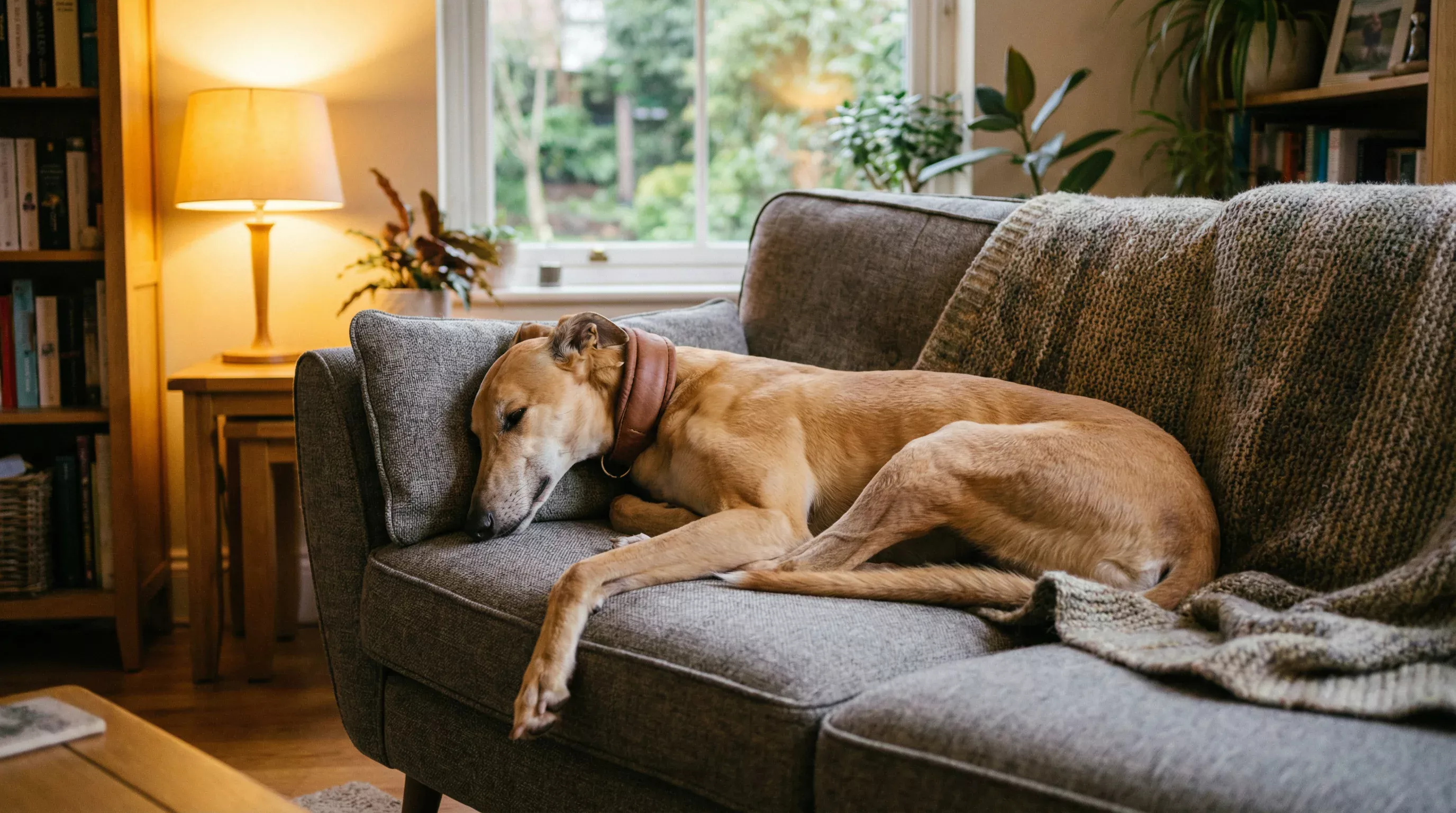
A Second Life for Sunderland’s Runners
Every greyhound that races at Sunderland will, eventually, stop racing. The question that matters most — for the dogs, for the sport’s reputation, and for anyone who cares about what happens after the final race — is what comes next. The answer, in 2026, is considerably more encouraging than it was a decade ago.
In 2024, 94% of greyhounds leaving GBGB-licensed racing were successfully rehomed or retained — 5,795 out of 6,181 dogs that exited the sport during the year. That figure represents a significant and sustained improvement over the 88% retirement success rate recorded in 2018. Sunderland, as a GBGB-licensed track operating under the same regulatory framework, contributes to and benefits from this upward trajectory. The dogs that race at the stadium on Friday nights and weekday afternoons have a defined pathway into retirement, supported by approved trusts, kennel partnerships, and a regulatory system that tracks every dog from registration to rehoming.
This guide covers that pathway — where Sunderland’s retired greyhounds go, how the adoption process works, and what life looks like for an ex-racer settling into a home.
Retirement Pathway: Where Sunderland Dogs Go After Racing
When a greyhound finishes its racing career at Sunderland, the trainer is responsible for ensuring it enters an approved retirement route. Under GBGB regulations, every dog must be accounted for — there is no simply walking away. The pathway branches into several routes, and the breakdown of those routes across UK racing tells you how the system operates in practice.
Of the greyhounds that retired in 2024, approximately 27% remained with their owner or trainer. These are dogs that have formed bonds with the people who handled them during their racing careers, and those handlers choose to keep them as pets rather than pass them on. Another 56% were rehomed through approved rehoming organisations — the network of charitable trusts and shelters that specialise in greyhound adoption. Around 11% were placed directly by the trainer or owner into private homes without going through a formal charity, and a small percentage were retained for breeding.
The most striking improvement in recent years is at the other end of the spectrum. In 2018, 175 greyhounds were euthanised for economic reasons — meaning the cost of veterinary treatment or rehoming was deemed unsustainable. By 2024, that number had fallen to just three. A reduction of 98% in six years is not a statistical anomaly; it reflects a deliberate, industry-wide effort to ensure that financial constraints do not determine a dog’s fate. The Injury Retirement Scheme, launched in 2018, provides funding for veterinary treatment of dogs injured during racing, removing one of the primary economic barriers to rehoming.
For Sunderland specifically, the retirement pathway is supported by the same structures that serve all ARC tracks. The company’s rehoming partnerships and the regulatory oversight of GBGB mean that dogs leaving the stadium enter a system with established processes and accountability. A trainer at Sunderland cannot retire a dog without notifying the regulator and confirming its destination. That level of traceability did not exist in the sport’s earlier decades, and its introduction has been one of the most significant welfare reforms in modern greyhound racing.
Adoption Process: How to Adopt Through Approved Trusts
If you are considering adopting a retired greyhound from Sunderland or any other GBGB track, the process is structured to match dogs with suitable homes. It begins with contacting an approved rehoming organisation — a charity or trust that has been vetted by the regulator and operates according to established welfare standards. These organisations assess both the dog and the prospective adopter to ensure a good fit.
The assessment typically involves a home visit or a detailed questionnaire about your living situation: the size of your home, whether you have a garden, whether there are other pets or young children, and your previous experience with dogs. Greyhounds are gentle animals, but they have specific needs that differ from other breeds, and the rehoming trust will want to confirm that you understand those needs before placing a dog with you. This is not bureaucracy for its own sake — it is the mechanism that keeps the rehoming success rate high. A well-matched adoption is far more likely to be permanent than one made in a rush.
Once approved, you will typically be offered the opportunity to meet available dogs. Rehoming trusts in the north-east of England maintain waiting lists of retired greyhounds from local tracks including Sunderland, and they will match your preferences — size, temperament, age, compatibility with other animals — against the dogs in their care. Some trusts allow a trial period during which the dog lives with you before the adoption is finalised, giving both parties time to adjust.
Adoption fees vary between organisations but generally cover the cost of neutering, vaccinations, microchipping, and any necessary dental work. The fee is modest relative to the cost of purchasing a dog from a breeder, and the rehoming trust will usually provide initial support and advice as the dog transitions from kennel life to domestic life. Many trusts also offer ongoing guidance — a helpline or a social media community where adopters can share experiences and ask questions.
Life with an Ex-Racer: What to Expect at Home
The most common misconception about retired racing greyhounds is that they are hyperactive. They are not. The typical ex-racer is, if anything, remarkably lazy. Greyhounds are sprinters by nature — they produce intense bursts of speed and then rest. In a domestic setting, that translates to a dog that enjoys two short walks a day and spends the rest of its time asleep on whatever soft surface it can claim. They are sometimes called forty-mile-per-hour couch potatoes, and the description is accurate.
The adjustment period from kennel to home varies. Some dogs settle within days; others take weeks to acclimatise to domestic sounds, surfaces, and routines. Stairs can be a challenge for a dog that has never encountered them. Glass doors and windows may cause confusion. The hum of a washing machine, the sound of a television, the presence of a cat — all of these are novel experiences for a dog that has spent its life in a kennel environment, and patience during the transition period is essential.
Greyhounds are typically excellent with people, including children, though introductions should be supervised as with any large dog. Their temperament leans toward calm and affectionate rather than boisterous. With other dogs, most ex-racers are sociable, though some retain a stronger prey drive than others — particularly those that raced at sprint distances, where the instinct to chase was most heavily reinforced. Rehoming trusts will advise on a specific dog’s suitability for a multi-pet household.
On the practical side, greyhounds have thin skin and short coats, which makes them sensitive to cold weather. A coat for winter walks is not an indulgence — it is a necessity. They also have lean bodies with minimal fat reserves, meaning they are more susceptible to the cold when resting. A warm bed, away from draughts, is important. Feeding requirements are straightforward: a quality diet split across two meals a day, with portion sizes adjusted for the individual dog’s weight and activity level.
The reward for the adjustment period is a companion that is quiet, low-maintenance by large-dog standards, and genuinely grateful for domestic comfort. Ex-racers from Sunderland and other GBGB tracks have spent their working lives in professional kennels with regulated care. They arrive in homes that are warm, soft, and full of attention, and the response — from most dogs — is immediate contentment. The forty-mile-per-hour couch potato settles in, and the racing days become history.
Sunderland Greyhound Rehoming — More on this topic at sunderland dogs results.
See also Greyhound Welfare at GBGB Tracks.
