Sunderland Dogs Restaurant and Hospitality Packages: Dining Trackside
Best Greyhound Betting Sites – Bet on Greyhounds in 2026
 Available in US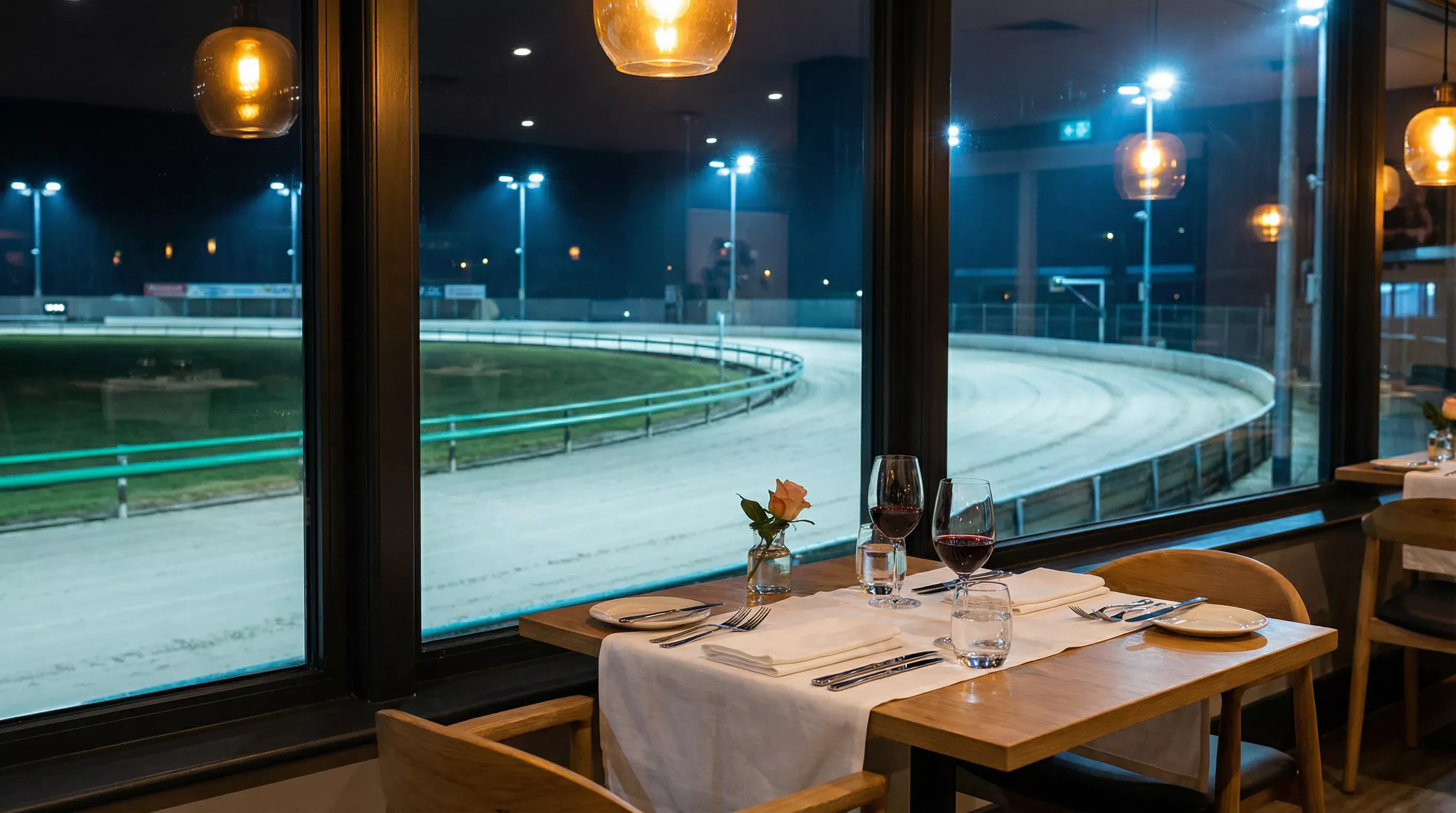
Dinner with a View of the Finish Line
Sunderland Greyhound Stadium is not just a racing venue. For a significant portion of its visitors — particularly on Friday evenings — it is a restaurant with a rather unusual view. The trackside dining experience has become one of the defining features of the stadium, turning a night at the dogs from a purely sporting occasion into something that combines food, entertainment, and the unpredictable theatre of six greyhounds chasing a mechanical hare.
The restaurant is not an afterthought. It is a central part of the business model that has sustained Sunderland through decades of changing fortunes in greyhound racing. When ARC acquired the stadium, the hospitality offering was part of the investment thesis — a recognition that modern race nights need to offer more than just a betting opportunity to attract a broad audience. The dining packages reflect that ambition.
Dining Packages: What Is Included and Price Tiers
Sunderland offers a tiered hospitality structure designed to accommodate different budgets and group sizes. The core package typically includes admission to the stadium, a reserved table in the restaurant area with a view of the track, a multi-course meal, a racecard, and sometimes a complimentary bet or tote voucher. The specifics vary between seasons and may be adjusted for special events, but the basic framework is consistent: you pay one price and receive an evening that covers food, racing, and the essentials for placing a bet.
The standard restaurant package is the most popular option. It delivers a sit-down meal — usually a two- or three-course selection from a set menu — served at a table positioned so that you can watch the racing through the restaurant windows or from an adjacent balcony area. The meal is timed around the racing programme: you eat between races, or the courses are spaced so that the gaps between races are long enough to enjoy the food without missing the action. The timing is part of the design, and the kitchen operates to a rhythm dictated by the race schedule rather than the other way around.
The ARC acquisition of Sunderland and Newcastle for £9.4 million in 2017 brought investment in the hospitality infrastructure alongside the racing operation. The restaurant facilities at Sunderland benefit from that investment, and the standard of the dining area — lighting, seating, sightlines to the track — reflects a venue that takes its hospitality function seriously. It is not fine dining. It is honest, well-prepared food served in an environment that is clean, warm, and oriented toward a night out rather than a culinary experience.
Premium tiers may be offered for specific events — Grand Prix final nights, the ARC Classic, and festive fixtures — where the price reflects both the enhanced racing programme and a higher-specification menu. These premium packages often sell out in advance, particularly for the Category One competition nights, and early booking is advisable.
Menu and Booking: How to Reserve and What to Expect
Booking a restaurant package at Sunderland is typically done through the stadium’s website or by telephone. The booking process asks for group size, preferred date, and any dietary requirements. Confirmation is usually provided promptly, and the stadium’s events team will follow up with details of the evening — arrival time, parking advice, and any pre-event information relevant to the specific fixture.
The menu is designed for broad appeal. Expect straightforward British fare — starters, mains, and desserts from a set selection that rotates seasonally. Vegetarian and dietary-specific options are available, though the range may be narrower than at a dedicated restaurant. The quality sits in the upper tier of event catering: competently cooked, generously portioned, and served with the awareness that the food is part of a larger experience, not the sole attraction. Nobody comes to Sunderland for a Michelin star. They come for a night out where the food is good enough to complement the racing rather than compete with it.
Group bookings are the bread and butter of the restaurant operation. Tables of six, eight, or ten are common, and the layout is configured to accommodate parties of various sizes. For larger groups — twenty or more — the stadium can often arrange a dedicated section of the restaurant with a degree of privacy and tailored service. The booking team is experienced in handling groups, and the process is generally smooth for anyone who has booked event hospitality before.
Payment structures vary. Some packages require full payment at the time of booking; others take a deposit with the balance due on arrival. Cancellation policies are standard for the hospitality industry, with notice periods that allow for refunds if plans change. For the latest pricing, menu details, and booking terms, the stadium’s website is the authoritative source.
One detail worth noting: the restaurant experience is integrated with the racing, not separate from it. Your table is your base for the evening. Between courses, you can step out to the viewing area to watch the races trackside, place bets at the tote windows, and return to your seat for the next course. The flow between dining and racing is designed to feel natural rather than disjointed — you are not choosing between eating and watching, you are doing both as part of a single evening. That integration is what distinguishes the Sunderland restaurant from a conventional meal out: the entertainment is built into the format, and the races provide the rhythm that structures the night.
Group Events: Birthdays, Stag and Hen Nights, Corporate
A significant proportion of Sunderland’s restaurant business comes from group events — birthdays, stag and hen nights, work outings, and corporate entertaining. The stadium actively markets itself as a group-event venue, and the format lends itself naturally to the purpose. A night at the dogs is novel enough to be memorable, social enough to keep a group entertained, and structured enough that the evening runs itself once you are seated and the races begin.
Birthday parties are the most common group booking. The combination of a meal, a shared experience, and the mild gamble of placing a few bets creates an evening that works for a wide age range. The stadium may offer specific birthday packages with extras — a complimentary drink, a mention over the PA system, or a reserved section with decorations — depending on the group size and the season.
Stag and hen nights follow a similar model, though the energy tends to be higher and the betting more enthusiastic. Sunderland is not a nightclub — the dress code is relaxed but reasonable, and the atmosphere is family-adjacent on most Friday evenings — but the stadium accommodates celebration-oriented groups alongside its broader audience. The key is booking in advance and communicating the nature of the event, so the hospitality team can place the group in an appropriate location within the restaurant.
Corporate events use the hospitality packages for client entertainment, team outings, and incentive evenings. The racing provides a built-in talking point — the shared experience of picking dogs, watching races, and comparing results breaks the ice more effectively than a conventional dinner. The trend toward experience-based corporate hospitality has benefited greyhound venues across the ARC portfolio. ARC’s 2025 footfall data showed growth across its venues, with events like Nottingham’s Boxing Day meeting drawing over 1,000 spectators — evidence that the group-event model is gaining traction beyond the traditional greyhound audience.
Sunderland Dogs Restaurant and Hospitality Packages — More on this topic at sunderland dogs results.
