Greyhound Welfare at GBGB Tracks: Injury Rates, Safety Standards and Oversight
Best Greyhound Betting Sites – Bet on Greyhounds in 2026
 Available in US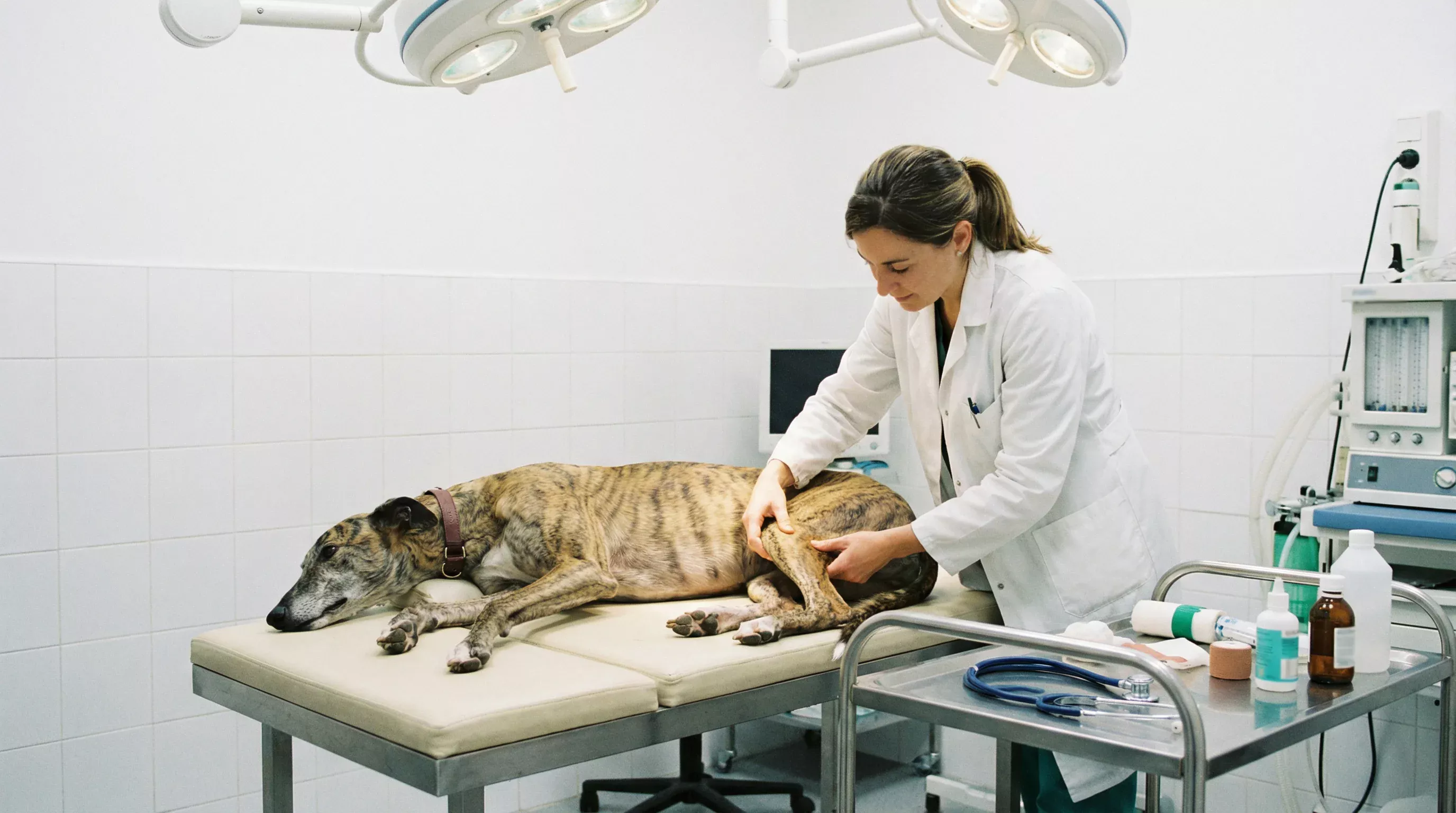
The Welfare Framework Behind Every Race
Greyhound welfare is the issue that sits behind every result, every race card, and every conversation about the future of the sport in the UK. The performance data matters. The entertainment matters. But the question of whether the dogs are treated well — during their racing careers, in their kennels, and after retirement — is the one that determines whether greyhound racing retains its social licence to operate.
Since 2018, the sport’s governing body, the GBGB, has undertaken a sustained programme of welfare reform. The results are measurable. Injury rates are at record lows. Retirement outcomes have improved dramatically. Inspection regimes have been strengthened. None of this means the system is perfect — critics remain vocal, and the data itself reveals areas where progress is still needed. But the trajectory is clear, and the framework that now governs welfare at GBGB-licensed tracks, including Sunderland, is materially different from what existed a decade ago.
This article examines the welfare data across three dimensions: injuries on the track, safety measures at the venues, and the inspection regime that oversees kennel conditions.
Injury Data Overview: Rates, Trends and Methodology
The headline figure for 2024 is an injury rate of 1.07% — meaning that out of 355,682 individual race starts across all GBGB tracks during the year, 3,809 resulted in an injury requiring veterinary attention. That rate is a record low, and it continues a downward trend that has been consistent since the GBGB began publishing detailed welfare data in its current format.
To put that number in context: it means that for every hundred race starts, approximately one results in an injury. The vast majority of those injuries are minor — muscle strains, minor cuts, or joint soreness that resolves with rest and standard veterinary care. A smaller proportion are more serious, requiring extended treatment or resulting in the dog being retired from racing. The injury data does not distinguish between a dog that pulls up slightly lame and one that suffers a fracture, so the headline rate includes the full spectrum from trivial to severe.
The fatality rate is a separate figure, and in 2024 it stood at 0.03% — 123 greyhounds died as a result of injuries sustained during racing. That number, while lower than in previous years, remains the most contentious element of the welfare debate. Critics point out that 123 deaths is still 123 too many; the industry’s position is that the figure has halved since 2020 and that the trajectory is in the right direction. Both positions are factually supportable, and the tension between them is unlikely to be resolved until the number approaches zero — if it ever does.
The methodology behind the data is worth understanding. GBGB requires every track to report injuries using a standardised classification system. Veterinary surgeons are present at every meeting, and their assessments form the basis of the injury records. The data is published annually, broken down by injury type, severity, and track. This transparency is relatively new — prior to the reforms that began in 2018, the level of public reporting was significantly less detailed. The current system allows independent analysis and comparison between venues, which is one of the mechanisms through which underperforming tracks can be identified and held to account.
For Sunderland specifically, the track’s all-weather sand surface is relevant. Sand tracks generally produce lower injury rates than harder surfaces, because the sand absorbs impact and provides more consistent grip than some alternatives. Sunderland’s position within the national injury data is influenced by this surface advantage, though the stadium’s safety record also reflects its maintenance standards, track design, and veterinary provision.
Safety Measures: Track Design, Equipment and Veterinary Cover
Reducing the injury rate is not an abstract goal — it is achieved through specific interventions at the track level. Safety measures at GBGB venues like Sunderland fall into three categories: track design and maintenance, safety equipment, and on-site veterinary provision.
Track design is the foundation. The geometry of the bends, the width of the running surface, the distance from the traps to the first turn, and the composition of the surface material all affect the likelihood and severity of injuries. Tracks with tight bends produce more injuries at the turns; tracks with short run-ups produce more crowding at the first bend, increasing the risk of collisions. Sunderland’s relatively generous run-up distances and medium circumference place it in a category of track geometry that is generally associated with lower incident rates.
Safety equipment includes running-rail padding, bend cushioning, and the hare system. The running rails at GBGB tracks are designed to minimise the impact when a dog makes contact, with padding that absorbs force rather than transmitting it. Bend cushioning serves a similar function at the most common collision points. The hare — an Outside McGee system at Sunderland — is calibrated to maintain a consistent distance ahead of the field, reducing the risk of dogs overrunning or colliding with the lure mechanism. In 2024, the GBGB’s Track Safety Committee distributed £168,000 in grants for safety equipment across licensed venues, funding upgrades to cushioning materials, sand-cleaning machinery, and monitoring equipment.
Veterinary cover is mandatory at every meeting. A qualified veterinary surgeon must be present from before the first race to after the last, and their role includes pre-race inspections, post-race assessments, and immediate treatment of any injury that occurs during racing. The vet has the authority to withdraw a dog from a race on welfare grounds, and their clinical decisions override those of the trainer or owner. This on-site provision means that an injured greyhound receives professional attention within minutes of an incident — a standard of immediate care that is consistent across all GBGB tracks.
Kennel Inspections: Routine Visits, Compliance and CPD Hours
Welfare does not begin and end at the track. Greyhounds spend far more of their time in residential kennels than they do racing, and the conditions in those kennels are a critical element of overall welfare. The GBGB’s kennel inspection programme is designed to ensure that standards are maintained between race days, not just on them.
The inspection regime has intensified significantly since the launch of the GBGB’s welfare strategy in 2022. According to the GBGB Progress Report of October 2025, routine visits to residential kennels increased by 73.2% between 2022 and 2024. That is not a marginal uptick — it represents a fundamental change in the frequency with which kennels are monitored. More visits mean more opportunities to identify problems, enforce standards, and provide guidance to trainers whose facilities may be falling short.
Inspections cover the physical condition of the kennels — space, cleanliness, ventilation, temperature — as well as the welfare of the dogs themselves. Inspectors assess body condition, check for signs of illness or injury, and review the trainer’s record-keeping. Non-compliance can result in sanctions ranging from formal warnings to licence suspension. The system is designed to create a baseline of acceptable conditions across all licensed kennels, with the expectation that most trainers will exceed the minimum.
Alongside the inspection regime, the GBGB has invested in continuing professional development for trainers and kennel staff. In 2024, participants in the GBGB’s CPD programme accumulated 582 hours of free training covering topics from nutrition and injury prevention to mental health and business management. The CPD programme is not mandatory for all licence holders, but participation is encouraged, and the uptake figures suggest that a meaningful proportion of the training community is engaging with it.
The combination of more frequent inspections and better access to professional development creates a welfare infrastructure that operates continuously rather than periodically. A kennel that was inspected once a year might maintain high standards for the visit and relax afterward. A kennel that expects inspectors on a more regular cadence has a stronger incentive to maintain those standards as a default. That shift — from event-driven compliance to habitual practice — is where the 73.2% increase in visits has its most meaningful effect.
Greyhound Welfare at GBGB Tracks — More on this topic at sunderland dogs results.
See also What Is BAGS Racing.
